Groundnut (Peanut) Geocarpy and Pod Maturation: Gypsum Application, Pegging Biomechanics, and Aflatoxin Eradication

The Subterranean Pod: Botanical Marvel of Arachis hypogaea The cultivated groundnut, or peanut (Arachis hypogaea L.), belonging to the family Fabaceae (subfamily Faboideae, tribe Dalbergieae), is an agricultural marvel without equal in the plant kingdom. Domesticated thousands of years ago in the river valleys of southern Bolivia and north-western Argentina through the spontaneous allopolyploid hybridization … Read more


Sunflower (Helianthus annuus) Physiology: Heliotropism, Capillary Achene Filling, and Pollinator Ecology

The Solar Titan: Botanical Architecture of Helianthus annuus The cultivated sunflower (Helianthus annuus L.), belonging to the botanical family Asteraceae (tribe Heliantheae), is one of world agriculture’s most magnificent, visually iconic, and physiologically fascinating oilseed crops. Native to North America, where it was originally domesticated by indigenous peoples over four thousand years ago, sunflower has … Read more

Rapeseed-Mustard Crop Science: Glucosinolate Reduction, Siliqua Architecture, and Aphid Integrated Management

The Golden Brassicas: Botanical Foundations of Family Brassicaceae The oilseed brassicas—collectively celebrated in global agriculture as rapeseed, canola, and mustard—represent the third most produced vegetable oil crop on earth after soybean and oil palm. Belonging to the family Brassicaceae (tribe Brassiceae), these cool-season dicotyledonous oilseeds encompass an interconnected evolutionary spectrum of diploid and allotetraploid amphidiploid … Read more

Banana and Papaya Plantation Engineering: High-Yield Sucker Selection, Bunch Weight Dynamics, and Fusarium Wilt Biosecurity

The Herbaceous Giants: Botanical Foundations of Musa and Carica Banana (Musa spp., Family Musaceae) and Papaya (Carica papaya L., Family Caricaceae) represent two of the most extraordinarily fast-growing, highly productive, and commercially valuable tropical fruit crops in global agriculture. While commonly referred to as ‘trees’ in popular culture, both plants are botanically unique: Banana (Genus … Read more

Soybean Agronomy and Oleaginous Seed Physiology: Photoperiod Maturity Groups, Lipid Synthesis, and Pod Development

The Miracle Bean: Botanical Foundations of Glycine max Soybean (Glycine max (L.) Merr.), belonging to the family Fabaceae (subfamily Faboideae), is the undisputed agricultural titan of global oilseed production, accounting for over sixty percent of the world’s total oilseed harvest and over seventy percent of all traded plant-based protein meal. Domesticated over four thousand years … Read more

Viticulture and Berry Fruit Agronomy: Grapevine Canopy Management, Trellising Systems, and Soluble Solids (Brix) Accumulation

The Royal Berry: Botanical Foundations of Vitis vinifera The cultivated European grapevine (Vitis vinifera L. subsp. vinifera) and its allied American rootstock species (Vitis riparia, V. rupestris, and V. berlandieri) constitute the bedrock of global viticulture—an ancient, multidisciplinary science that unites agricultural botany, ampelography, soil microclimatology (the concept of Terroir), and biochemical enology. Domesticated over … Read more

Pome and Stone Fruit Orchard Architecture: High-Density Apple and Peach Canopy Training, Rootstock Vigor, and Pruning Biomechanics

The Rosaceous Pomology: Botanical Foundations of Pome and Stone Fruits The botanical family Rosaceae is the foundational cornerstone of temperate pomology, encompassing humanity’s most prized tree fruits. Within this distinguished family, deciduous orchard crops are divided into two major botanical and anatomical classifications: Pome Fruits (Subfamily Amygdaloideae, Tribe Maleae): Represented primarily by the domestic apple … Read more

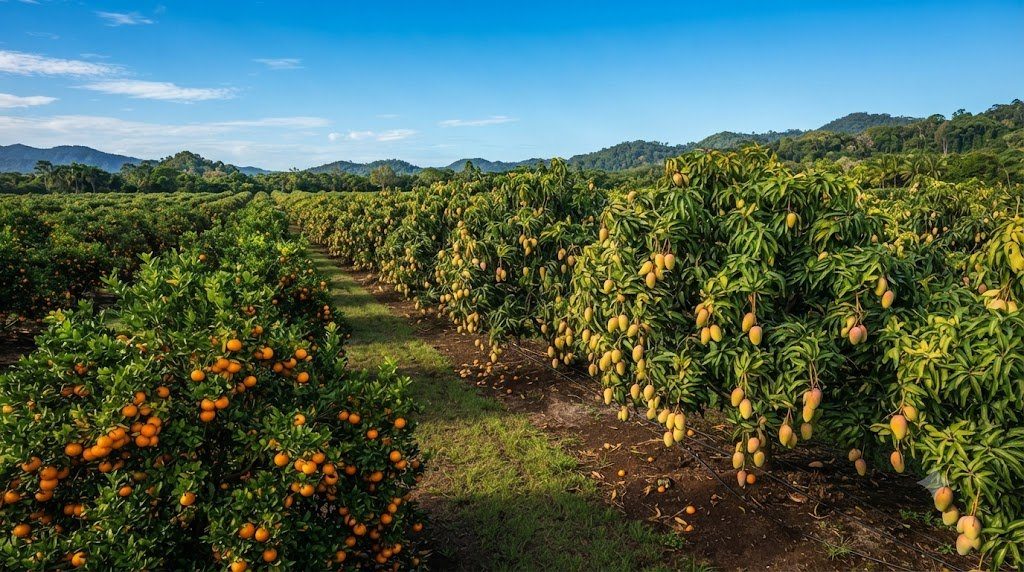
Subtropical and Tropical Pomology: Mango, Citrus, and Guava Flowering Phenology, Alternate Bearing, and Fruit Drop Mitigation

The Sun-Drenched Canopy: Botanical Foundations of Tropical Fruit Trees Tropical and subtropical pomology represents the vibrant, high-value, and nutritionally rich crown of equatorial agriculture. Among the most culturally revered and commercially exported fruit species across this vast agro-ecological zone are the Mango (Mangifera indica L., Family Anacardiaceae), Citrus species—including Sweet Orange (Citrus sinensis), Mandarin / … Read more

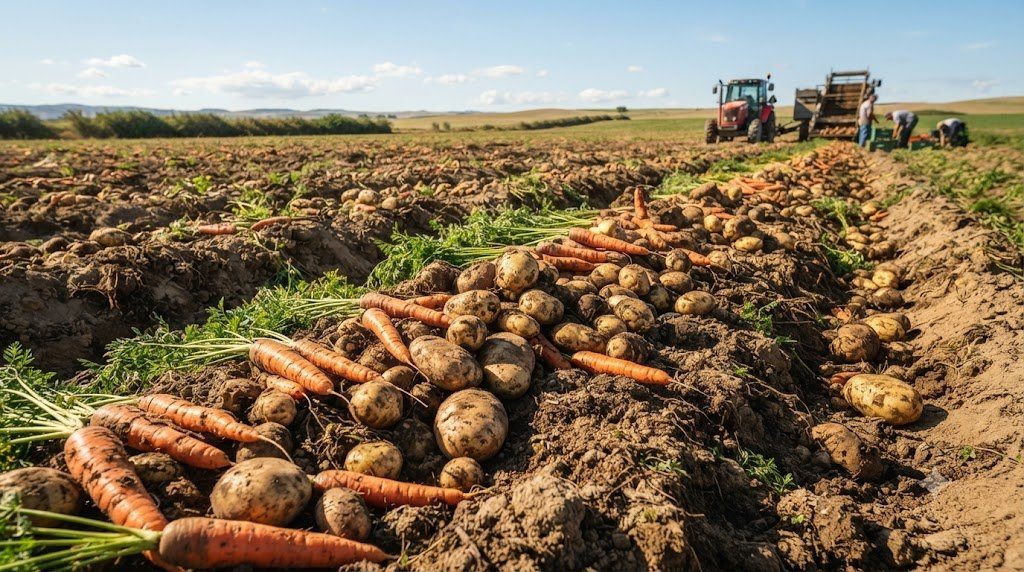
Root and Tuber Vegetable Agronomy: Potato, Carrot, and Radish Tuberization, Bulking Kinetics, and Soil Friability

Underground Wealth: Botanical Diversity of Edible Roots and Tubers Root and tuber crops represent the primary underground caloric reserves, complex carbohydrate storehouses, and vital micronutrient factories of world agriculture. Among the most economically dominant and widely cultivated representatives of this subterranean domain are the potato (Solanum tuberosum L.), carrot (Daucus carota L. subsp. sativus), and … Read more

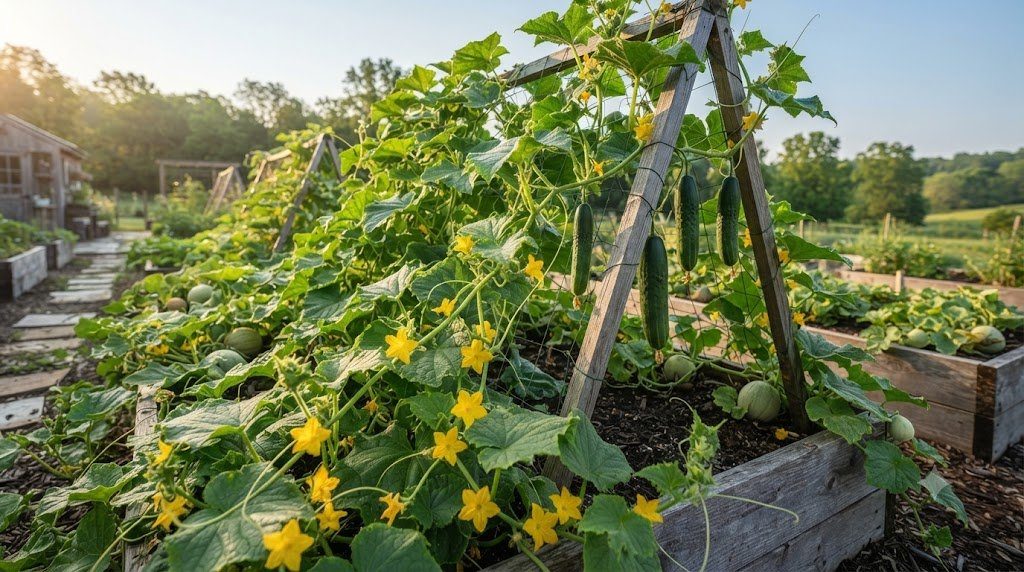
Cucurbitaceous Vine Management: Cucumber, Melon, and Gourd Sex Expression, Pollination Biology, and Powdery Mildew Defense

The Sprawling Vines: Botanical Architecture of Family Cucurbitaceae The gourd family, Cucurbitaceae, constitutes one of the most genetically diverse, morphologically spectacular, and culturally cherished families in global agriculture. Encompassing over 95 genera and nearly 1,000 species, this botanical family provides humanity with an astonishing array of fresh salad crops, luscious dessert melons, and nutrient-dense cooking … Read more