Brassica and Cruciferous Crop Science: Cabbage, Cauliflower, and Broccoli Microclimates, Glucosinolates, and Curd Initiation

The Noble Crucifers: Botanical Foundations of Family Brassicaceae The cruciferous vegetable family, Brassicaceae (historically known as Cruciferae due to their characteristic four-petaled, cross-shaped flowers), contains some of the most morphologically diverse and nutritionally revered cool-season crops in global horticulture. What is botanically astonishing is that three of humanity’s most widely consumed distinct vegetables—cabbage (Brassica oleracea … Read more

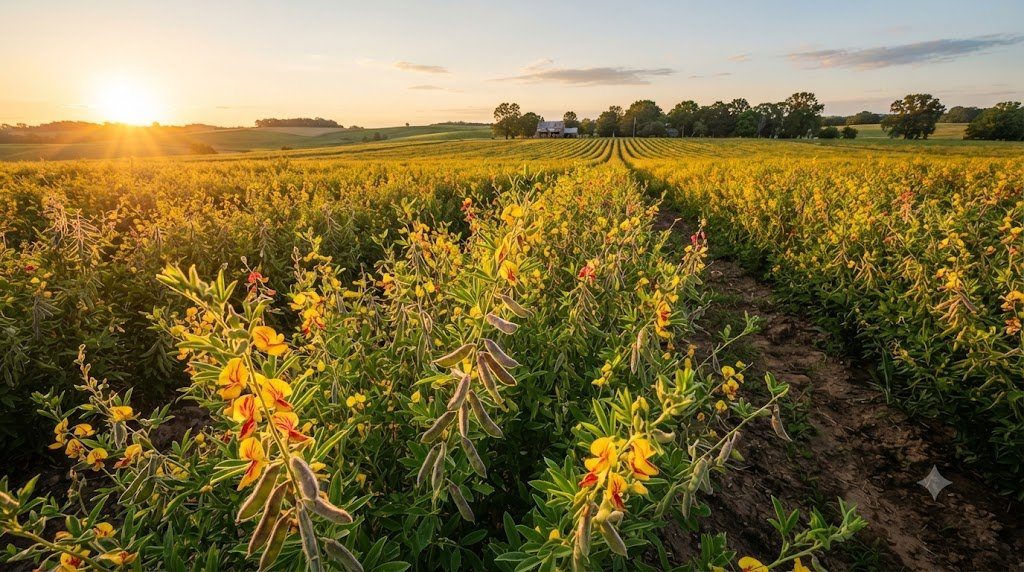
Mungbean and Urdbean Short-Duration Cropping: Green Manuring, Synchronous Maturity, and Yellow Mosaic Virus Management

The Fast-Cycling Asian Pulses: Botanical Architecture of Vigna radiata and Vigna mungo Mungbean (Vigna radiata (L.) R. Wilczek), also known as green gram, and its close botanical sibling Urdbean (Vigna mungo (L.) Hepper), celebrated as black gram, are the premier fast-cycling warm-season grain legumes of tropical and subtropical Asia. Belonging to the family Fabaceae (genus … Read more

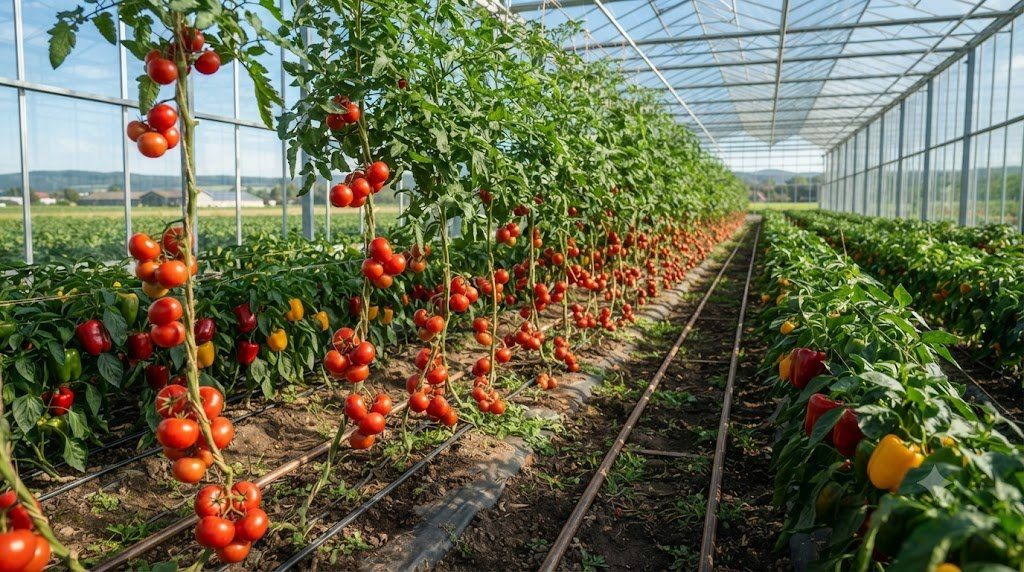
Solanaceous Vegetable Agronomy: Tomato, Pepper, and Eggplant Physiology, Trellising, and Fertigation Dynamics

The Royal Nightshades: Botanical Foundations of Family Solanaceae The nightshade family, Solanaceae, encompasses some of the most economically vital, calorically essential, and nutrient-dense horticultural crops cultivated across global agriculture. Chief among these horticultural titans are tomato (Solanum lycopersicum), sweet and chili pepper (Capsicum annuum, C. chinense, C. baccatum), and eggplant or brinjal (Solanum melongena). Originating … Read more

Pigeonpea (Red Gram) Farming and Long-Duration Phenology: Deep Taproot Hydraulics and Intercropping Dynamics

The Woody Leguminous Giant: Botanical Foundations of Cajanus cajan Pigeonpea (Cajanus cajan (L.) Millspaugh), widely celebrated across the Indian subcontinent as Arhar or Tur and throughout Africa and the Caribbean as red gram or Congo pea, is an extraordinary, perennial woody grain legume cultivated predominantly as an annual or semi-perennial crop. Originating in peninsular India, … Read more

Lentil and Field Pea Physiology: Canopy Density, Biological Nitrogen Fixation, and Ascochyta Blight Resistance

Cool-Season Grain Legumes: Botanical Identity of Lens culinaris and Pisum sativum Lentil (Lens culinaris Medikus) and field pea (Pisum sativum L.) represent two of humanity’s most ancient domesticated cool-season grain legumes, cultivated alongside barley and emmer wheat since the dawn of agriculture in the Fertile Crescent. As premier members of the botanical tribe Fabeae within … Read more

Chickpea Agronomy and Symbiotic Nitrogen Fixation: Mesorhizobium Nodulation, Pod Borer Control, and Cold Tolerance

The Resilient Legume: Botanical Architecture of Cicer arietinum Chickpea (Cicer arietinum L.), also widely known as gram or garbanzo bean, is the premier food legume of dryland semi-arid cropping regimes, ranking as the third most produced grain legume globally after soybean and dry common bean. Originating in south-eastern Turkey and the northern Fertile Crescent, chickpea … Read more

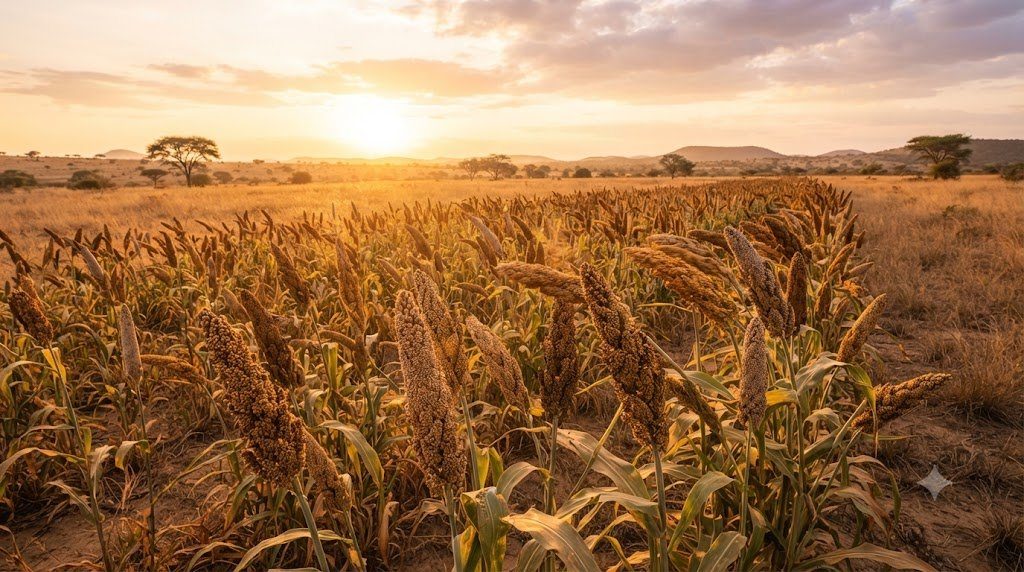
Millets, Sorghum, and Climate-Resilient Small Grains: Pearl Millet, Finger Millet, and CAM/C4 Drought Mechanics

Ancient Grains for a Drying Planet: The Resilient Small Cereals As global agriculture confronts expanding arid zones, depleting groundwater aquifers, and intensifying heatwaves, the world’s major cereal monocultures—maize, wheat, and flooded rice—are increasingly vulnerable to climatic volatility. In this precarious agro-ecological landscape, an ancient group of nutrient-dense, climate-resilient cereals is reclaiming central prominence: Sorghum and … Read more

Maize Crop Ecology and Hybrid Vigour: C4 Photosynthetic Efficiency, Kernel Sinks, and Drought Resilience

The C4 Agronomic Titan: Physiological Mastery of Zea mays Maize (Zea mays), or corn, is the undisputed king of global grain production, harvesting more total metric tons annually than any other cereal crop on earth. Originally domesticated in the Tehuacan Valley of southern Mexico from the wild ancestral grass teosinte (Zea mays ssp. parviglumis), maize … Read more

Rice Cultivation Systems and Paddy Hydraulics: SRI Methodology, Direct-Seeded Rice, and Water Management

The Semiaquatic Miracle: Botanical Architecture of Oryza sativa Asian cultivated rice (Oryza sativa) feeds more than half of the world’s population, representing the primary dietary staple across Asia, Africa, and parts of Latin America. Unlike all other major cereal grains (such as wheat, maize, and barley), rice is a Semiaquatic Graminaceous Plant Engineered by Nature … Read more

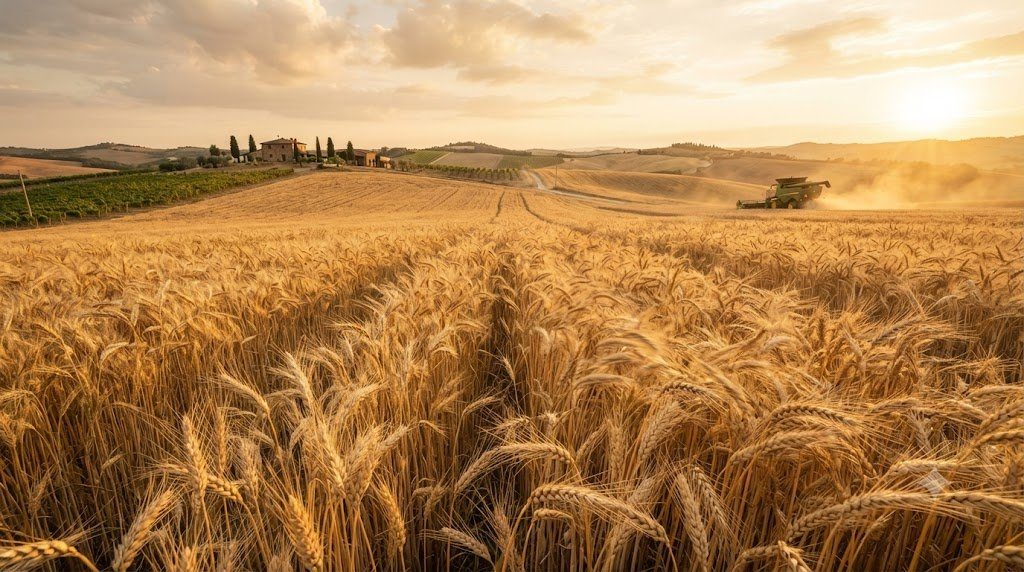
Wheat Agronomy and Grain Physiology: Photosynthetic Canopy Architecture, Tillering Dynamics, and Grain Filling

The Global Staple: Botanical Foundations of Triticum aestivum Bread wheat (Triticum aestivum) is the cornerstone of human civilization and global caloric security, providing over twenty percent of the daily dietary calories and consumable protein consumed by mankind. As an annual, hexaploid cereal grain belonging to the family Poaceae, wheat represents a masterclass of botanical evolution … Read more