Mungbean and Urdbean Short-Duration Cropping: Green Manuring, Synchronous Maturity, and Yellow Mosaic Virus Management

The Fast-Cycling Asian Pulses: Botanical Architecture of Vigna radiata and Vigna mungo Mungbean (Vigna radiata (L.) R. Wilczek), also known as green gram, and its close botanical sibling Urdbean (Vigna mungo (L.) Hepper), celebrated as black gram, are the premier fast-cycling warm-season grain legumes of tropical and subtropical Asia. Belonging to the family Fabaceae (genus … Read more
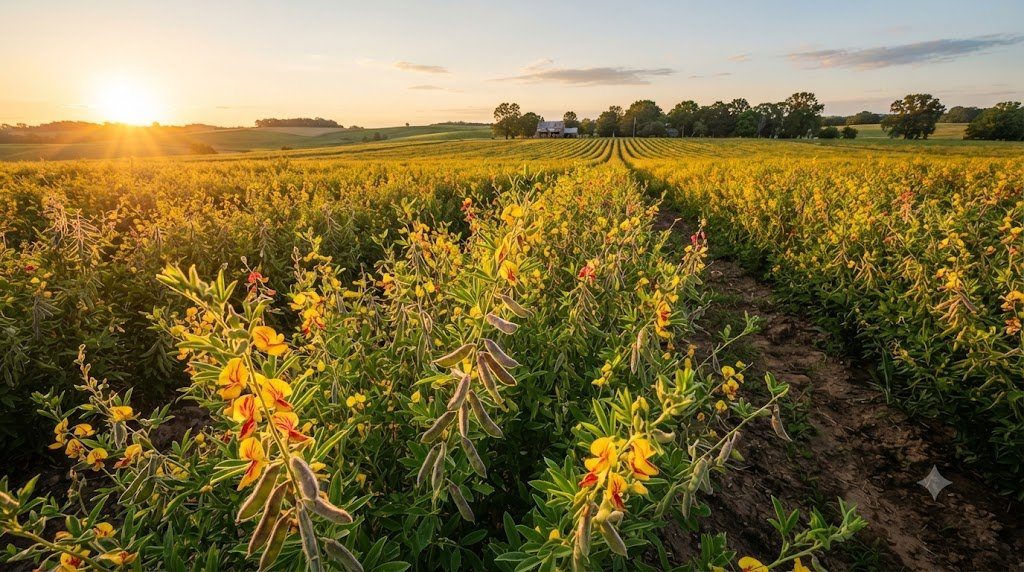
Pigeonpea (Red Gram) Farming and Long-Duration Phenology: Deep Taproot Hydraulics and Intercropping Dynamics

The Woody Leguminous Giant: Botanical Foundations of Cajanus cajan Pigeonpea (Cajanus cajan (L.) Millspaugh), widely celebrated across the Indian subcontinent as Arhar or Tur and throughout Africa and the Caribbean as red gram or Congo pea, is an extraordinary, perennial woody grain legume cultivated predominantly as an annual or semi-perennial crop. Originating in peninsular India, … Read more

Lentil and Field Pea Physiology: Canopy Density, Biological Nitrogen Fixation, and Ascochyta Blight Resistance

Cool-Season Grain Legumes: Botanical Identity of Lens culinaris and Pisum sativum Lentil (Lens culinaris Medikus) and field pea (Pisum sativum L.) represent two of humanity’s most ancient domesticated cool-season grain legumes, cultivated alongside barley and emmer wheat since the dawn of agriculture in the Fertile Crescent. As premier members of the botanical tribe Fabeae within … Read more

Chickpea Agronomy and Symbiotic Nitrogen Fixation: Mesorhizobium Nodulation, Pod Borer Control, and Cold Tolerance

The Resilient Legume: Botanical Architecture of Cicer arietinum Chickpea (Cicer arietinum L.), also widely known as gram or garbanzo bean, is the premier food legume of dryland semi-arid cropping regimes, ranking as the third most produced grain legume globally after soybean and dry common bean. Originating in south-eastern Turkey and the northern Fertile Crescent, chickpea … Read more